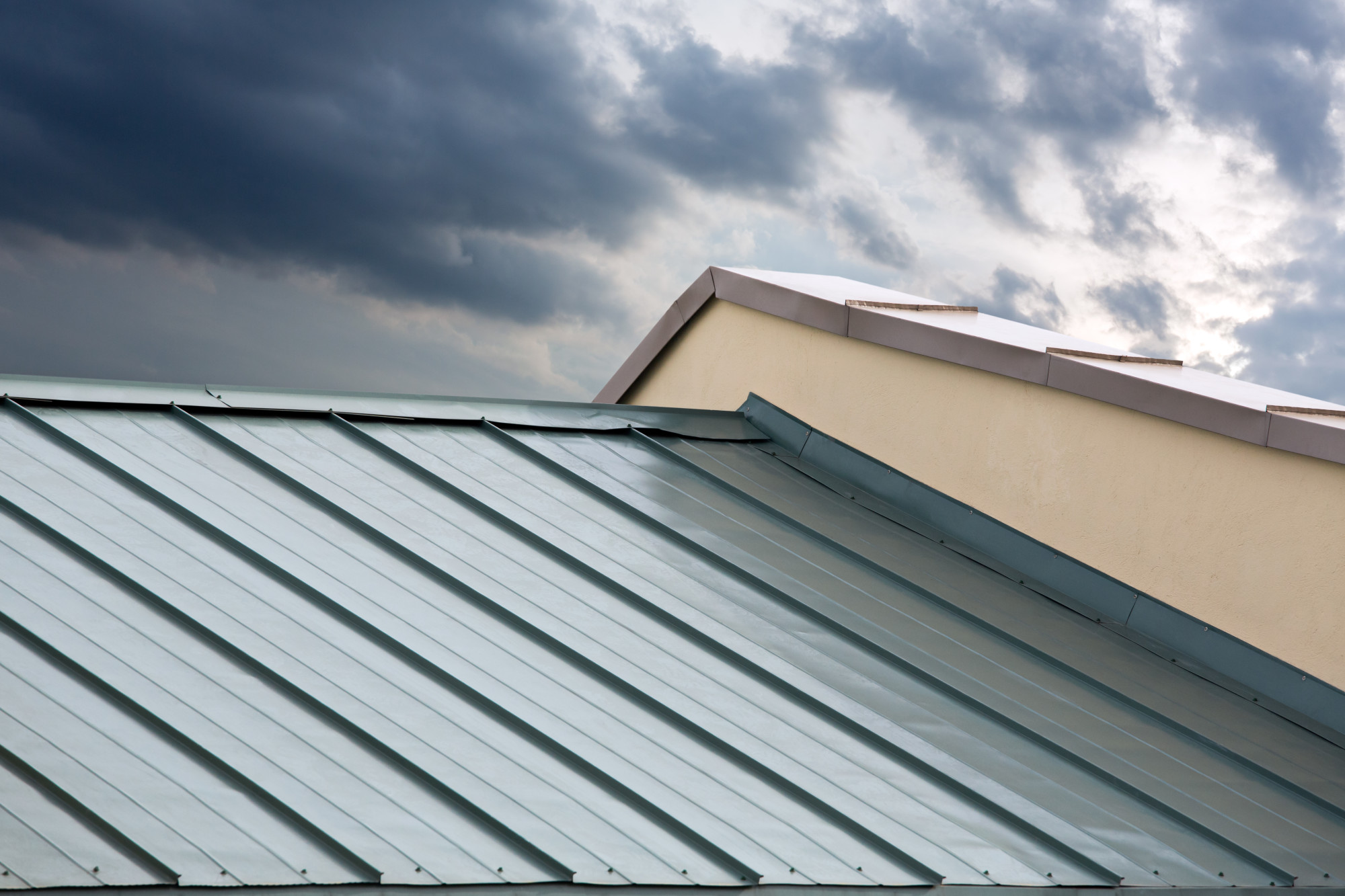
The Contractor Handles Permits and Code
A reputable contractor handles permits and code, and a Veedersburg homeowner benefits from understanding this. Here is what it means.
Obtaining the Permit
The contractor obtains the necessary permit for the installation, handling the application and process so the homeowner does not have to. The contractor gets the permit. They handle the application. They manage the process. It is part of their job. It relieves the homeowner.
Ensuring Code Compliance
The contractor ensures the installation meets the applicable code, knowing the requirements and installing the roof to comply. The contractor ensures compliance. They know the code. They install to meet it. It is their responsibility. It is part of proper work.
Knowing Local Requirements
A contractor familiar with local requirements knows the permits and code that apply in the area, navigating them correctly. The contractor knows local rules. They understand the requirements. They navigate them. It reflects their experience. It benefits the homeowner.
A Benefit of a Reputable Contractor
Handling permits and code is a benefit of choosing a reputable contractor, who takes care of these requirements as part of a proper, professional job. It is a contractor benefit. They handle the requirements. It reflects professionalism. It is part of quality. It serves the homeowner.
Relieving the Homeowner
By handling permits and code, the contractor relieves the homeowner of navigating these requirements, making the project smoother. The contractor eases the process. They take care of it. They relieve the homeowner. It simplifies the project. It is convenient.
The Contractor's Role, in Short
A reputable contractor obtains the necessary permit, ensures the installation meets the applicable code, knows the local requirements, and navigates these as part of a proper job, relieving the homeowner of handling permits and code, which is a benefit of choosing a quality contractor.
One point worth making clear for Veedersburg homeowners is that a metal roof installation, like other significant roofing work, generally requires a building permit and must meet the applicable building code, and that these requirements are a normal and beneficial part of a proper installation rather than an obstacle, especially since a reputable contractor handles them on the homeowner's behalf. The reason a permit is generally required is that installing a roof is a significant alteration to a home, the kind of work that permit systems are designed to cover, and the purpose of the permit is to ensure that the work is reviewed and meets code, providing a layer of oversight that the installation is done properly and safely. Building code, in turn, sets requirements covering aspects of how a roof is installed, requirements meant to ensure the roof is sound, safe, and properly constructed. An important point is that the specifics of both permit requirements and code can vary by locality, because different areas have different rules and may have their own amendments, so what exactly is required depends on where the home is located. This is one of the reasons that working with a contractor who is familiar with local requirements is valuable, because they know the permits and code that apply in the area and how to navigate them correctly. For the homeowner, the practical reality is that a reputable contractor takes care of all of this as part of the job, obtaining the necessary permit, installing the roof to meet the applicable code, and coordinating any required inspections, so the homeowner does not have to navigate these requirements themselves. This is genuinely a benefit of choosing a quality, professional contractor.
It also helps Veedersburg homeowners to understand why code compliance and proper permitting genuinely matter, beyond simply being a requirement, because there are real benefits to having a roof that is properly permitted, inspected, and compliant. The most fundamental benefit is that it helps ensure a sound, safe roof, because building code reflects established standards for proper installation and performance, so a roof that is built to meet code is more likely to have been done right. The permit and code process also provides oversight, because the permitted process generally includes an inspection of the work, where the installation is reviewed to confirm it meets code, followed by a sign-off that completes the process, and this review adds a layer of assurance that the roof was done properly. There is also a practical benefit related to records and resale, because permitted, compliant work, with its accompanying documentation, can be relevant when the home is eventually sold, whereas unpermitted work can create complications. And avoiding those kinds of complications down the line is itself a benefit, because properly permitted and compliant work sidesteps potential problems that unpermitted work can create. Finally, there is simply the peace of mind that comes from knowing the roof, one of the most important and costly components of the home, was done properly, reviewed, and confirmed to meet the applicable standards. The good news for the homeowner is that capturing all of these benefits does not require them to become an expert in local permitting and code, because a reputable contractor handles the permit, ensures code compliance, and coordinates the inspection and sign-off as part of delivering a proper, professional installation.
One point worth making clear for Veedersburg homeowners is that a metal roof installation, like other significant roofing work, generally requires a building permit and must meet the applicable building code, and that these requirements are a normal and beneficial part of a proper installation rather than an obstacle, especially since a reputable contractor handles them on the homeowner's behalf. The reason a permit is generally required is that installing a roof is a significant alteration to a home, the kind of work that permit systems are designed to cover, and the purpose of the permit is to ensure that the work is reviewed and meets code, providing a layer of oversight that the installation is done properly and safely. Building code, in turn, sets requirements covering aspects of how a roof is installed, requirements meant to ensure the roof is sound, safe, and properly constructed. An important point is that the specifics of both permit requirements and code can vary by locality, because different areas have different rules and may have their own amendments, so what exactly is required depends on where the home is located. This is one of the reasons that working with a contractor who is familiar with local requirements is valuable, because they know the permits and code that apply in the area and how to navigate them correctly. For the homeowner, the practical reality is that a reputable contractor takes care of all of this as part of the job, obtaining the necessary permit, installing the roof to meet the applicable code, and coordinating any required inspections, so the homeowner does not have to navigate these requirements themselves. This is genuinely a benefit of choosing a quality, professional contractor.
Let Us Handle Permits and Code
Veedersburg Metal Roofing handles permits and code compliance for metal roofing across Veedersburg and Fountain County. Call {phone} for a free consultation on a metal roof with the permits and code taken care of.