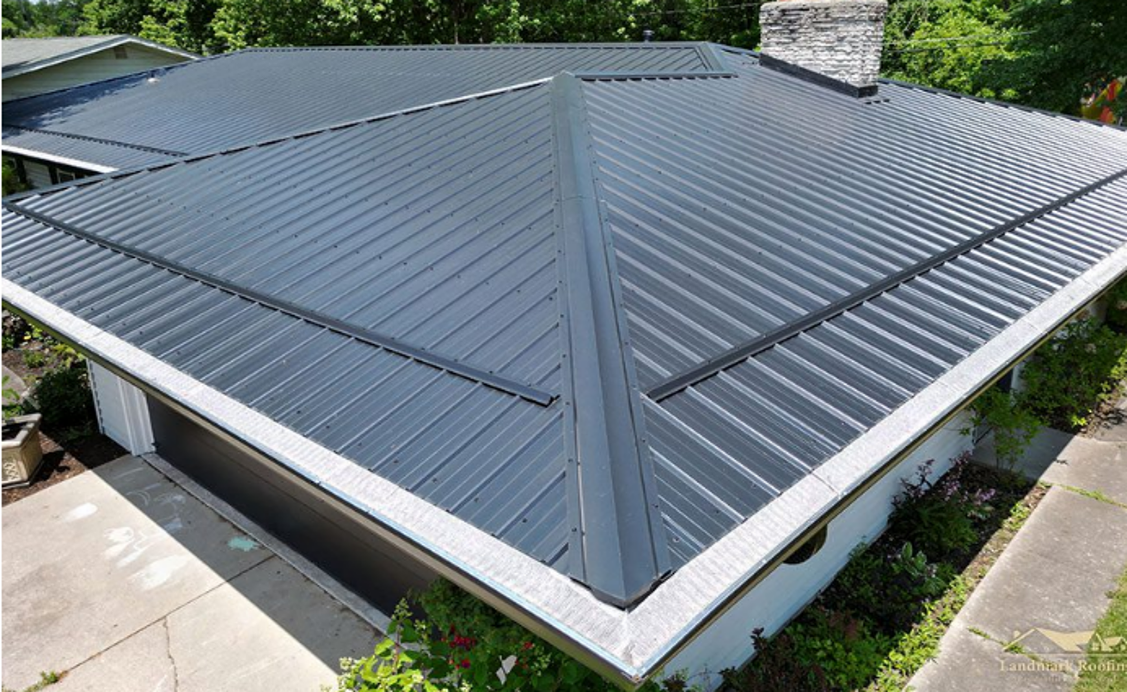
Cooling Cost Savings
The practical payoff of a metal roof's energy efficiency is potential savings on cooling, and a Veedersburg homeowner deserves an honest picture of it. Here is what to expect.
Reduced Cooling Load
By reflecting solar heat and reducing the heat that enters the home through the roof, a metal roof eases the load on the air conditioning, so the system runs less to keep the home comfortable. Less heat gain means less cooling work, which can translate into lower energy use for cooling. This reduced cooling load is the basis for any savings a metal roof provides. It eases the demand on the AC.
Savings Vary
The actual cooling savings vary from home to home, depending on your climate, the roof's finish and color, your insulation and ventilation, your home's design, and your cooling habits. Because of these variables, there is no single savings figure that applies to every home. A metal roof can help reduce cooling costs, but the amount differs based on your specific situation. Honesty about this variability is important.
Bigger Benefit in Hot Climates
The cooling benefit tends to be greater in hot, sunny climates where air conditioning runs a lot, since that is where reducing heat gain saves the most. In a warm climate with long cooling seasons, a reflective metal roof has more opportunity to reduce cooling demand. The hotter and sunnier the climate, the more the reflective benefit matters. Climate strongly influences the savings. Warm areas benefit most.
Part of a Bigger Picture
A metal roof's cooling savings are one part of a home's overall energy efficiency, working with insulation, ventilation, windows, and the cooling system. The roof contributes, but the whole picture determines total energy use. Viewing the roof as one piece of the efficiency puzzle sets realistic expectations for its savings. It helps, alongside the other factors. The roof is one contributor among several.
A Long-Term Benefit
Because a metal roof lasts decades, its energy benefit accrues over a very long time, with the cooling savings adding up year after year across the roof's long life. While the yearly savings vary, they continue for as long as the roof serves, which is far longer than asphalt. This long-term accumulation is part of the value of an energy-efficient metal roof. The benefit lasts for decades. It adds up over time.
Cooling Savings, in Short
A metal roof can reduce cooling costs by easing the air conditioning load, though the savings vary by climate, finish, insulation, and home, with a bigger benefit in hot climates. The savings are one part of overall efficiency and accrue over the roof's long life.
It also helps Veedersburg homeowners to understand that a metal roof's energy performance is best thought of as one part of a larger system rather than a standalone feature, because the roof, the attic insulation, and the ventilation all work together to determine how the home handles heat. The roof's job in this system is to address heat gain at the surface, reflecting much of the sun's radiant energy away before it can be absorbed, which a reflective metal roof does well, especially with a cool-roof finish. The insulation's job is to slow the transfer of whatever heat does reach the attic into the living space below, and it does this year-round, in summer resisting heat coming in and in winter helping retain the home's warmth. The ventilation's job is to allow hot air that accumulates in the attic to escape rather than building up and radiating downward into the home. When all three are working well together, the home stays cooler and more comfortable in summer with less demand on the air conditioning, and the insulation ensures there is no winter penalty from the roof. This systems view matters for two reasons. First, it sets realistic expectations, since the roof contributes to efficiency but does not determine it single-handedly, the insulation and ventilation matter just as much. Second, it points toward getting the most from the investment, because a homeowner installing a reflective metal roof is well served by also ensuring the attic insulation is adequate and the ventilation is proper, so that the whole assembly performs to its potential. A good contractor addresses the roof and its ventilation together and can advise on the insulation, so the home gains the full energy benefit.
It also helps Veedersburg homeowners to understand that a metal roof's energy performance is best thought of as one part of a larger system rather than a standalone feature, because the roof, the attic insulation, and the ventilation all work together to determine how the home handles heat. The roof's job in this system is to address heat gain at the surface, reflecting much of the sun's radiant energy away before it can be absorbed, which a reflective metal roof does well, especially with a cool-roof finish. The insulation's job is to slow the transfer of whatever heat does reach the attic into the living space below, and it does this year-round, in summer resisting heat coming in and in winter helping retain the home's warmth. The ventilation's job is to allow hot air that accumulates in the attic to escape rather than building up and radiating downward into the home. When all three are working well together, the home stays cooler and more comfortable in summer with less demand on the air conditioning, and the insulation ensures there is no winter penalty from the roof. This systems view matters for two reasons. First, it sets realistic expectations, since the roof contributes to efficiency but does not determine it single-handedly, the insulation and ventilation matter just as much. Second, it points toward getting the most from the investment, because a homeowner installing a reflective metal roof is well served by also ensuring the attic insulation is adequate and the ventilation is proper, so that the whole assembly performs to its potential. A good contractor addresses the roof and its ventilation together and can advise on the insulation, so the home gains the full energy benefit.
It also helps Veedersburg homeowners to understand that a metal roof's energy performance is best thought of as one part of a larger system rather than a standalone feature, because the roof, the attic insulation, and the ventilation all work together to determine how the home handles heat. The roof's job in this system is to address heat gain at the surface, reflecting much of the sun's radiant energy away before it can be absorbed, which a reflective metal roof does well, especially with a cool-roof finish. The insulation's job is to slow the transfer of whatever heat does reach the attic into the living space below, and it does this year-round, in summer resisting heat coming in and in winter helping retain the home's warmth. The ventilation's job is to allow hot air that accumulates in the attic to escape rather than building up and radiating downward into the home. When all three are working well together, the home stays cooler and more comfortable in summer with less demand on the air conditioning, and the insulation ensures there is no winter penalty from the roof. This systems view matters for two reasons. First, it sets realistic expectations, since the roof contributes to efficiency but does not determine it single-handedly, the insulation and ventilation matter just as much. Second, it points toward getting the most from the investment, because a homeowner installing a reflective metal roof is well served by also ensuring the attic insulation is adequate and the ventilation is proper, so that the whole assembly performs to its potential. A good contractor addresses the roof and its ventilation together and can advise on the insulation, so the home gains the full energy benefit.
Lower Your Cooling Load
Veedersburg Metal Roofing installs energy-efficient metal roofing that can help reduce cooling costs across Veedersburg and Fountain County. Call {phone} for a free consultation on a reflective metal roof that eases your cooling load and delivers its energy benefit for decades.